Bridging the gap in food and beverage plants
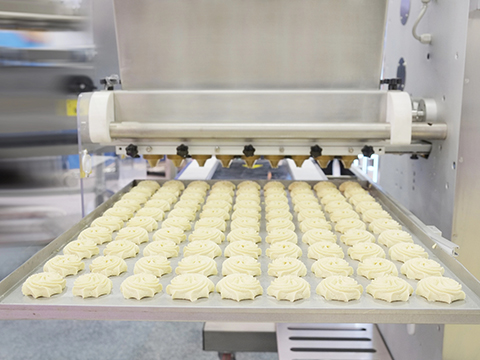 Food and beverage plants increasingly operate with a blend of equipment generations: legacy machinery that has served reliably for years, and newer automation technologies designed to enhance efficiency, traceability and sustainability. This hybrid setup gives manufacturers flexibility to modernise gradually, but it also presents a growing challenge: how to maintain ageing assets while integrating more advanced systems without disrupting production. The experts at CJS Automation explain.
Legacy systems remain deeply embedded across the food and beverage sector, often performing critical tasks with consistency. Yet these systems frequently rely on components that OEMs have discontinued, sometimes without direct replacements.
When a discontinued PLC module, drive, or HMI fails, it can stop an entire filling, packing, or processing line. With perishable goods and tight delivery contracts, such downtime can quickly escalate into product loss, missed orders and high operational costs.
At the same time, investment in modern automation is accelerating. Plants are deploying advanced robotics, quality inspection technology and connected controls. The result is a complex mix of brands, communication protocols and hardware generations, all of which engineering teams must support. This “hybrid automation environment” has made dependable access to both new and obsolete components increasingly important.
Specialist suppliers, such as CJS Automation, play a key role in keeping these blended production environments running smoothly. CJS focuses on sourcing both current-line and hard-to-find legacy automation parts, while also offering repair and refurbishment services to extend the life of older equipment. These capabilities can help food manufacturers avoid unnecessary system overhauls and maintain uptime even when OEM support has ended.
The ability to move quickly is often what determines whether a small failure becomes a major operational incident. “Food and beverage production can’t afford extended downtime; it’s as simple as that,” says Johnathan Craddock, Director at CJS Automation. “Many plants rely on equipment that’s been in service for over a decade, sometimes longer. When an obsolete part fails, finding a replacement isn’t just about convenience; it can be the difference between meeting a customer order or losing an entire batch. Our job is to bridge that gap by giving manufacturers fast access to both legacy and modern components, backed by repair options that keep equipment running beyond the original design life.”
Supporting sustainability through refurbishment
Beyond uptime, refurbishment and repair support broader sustainability goals. Extending the life of automation components reduces waste and lowers the environmental impact associated with manufacturing new hardware. For manufacturers working toward circular-economy or net-zero commitments, maintaining equipment rather than replacing it offers clear environmental benefits alongside cost savings.
As the industry continues to evolve, many producers are choosing phased modernisation rather than complete system replacement. Supporting both old and new technologies side by side will remain essential, and suppliers like CJS Automation, who understand the nuances of legacy equipment while also keeping pace with newer automation platforms, help ensure manufacturers can modernise sustainably, without compromising productivity or food safety.